FAQs – 1000 KVA Transformer
What is a 1000 kVA transformer?
A
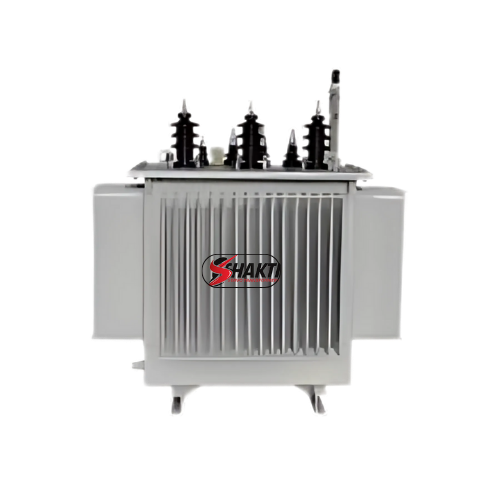
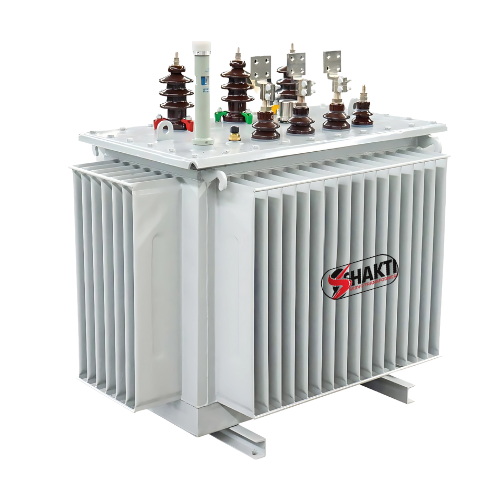
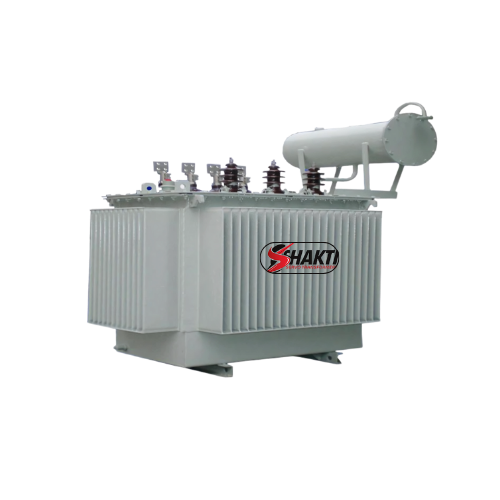
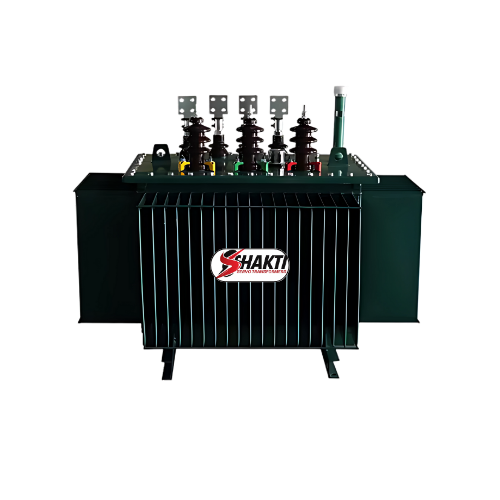
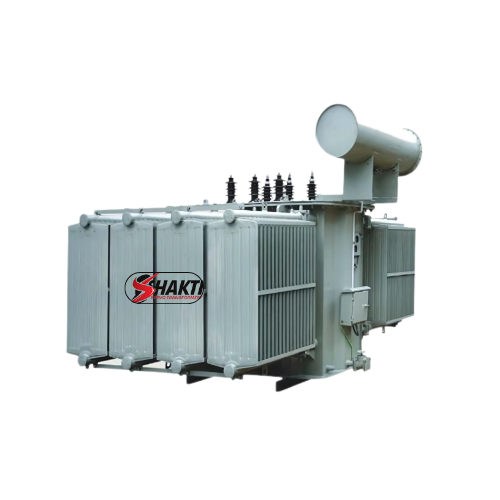
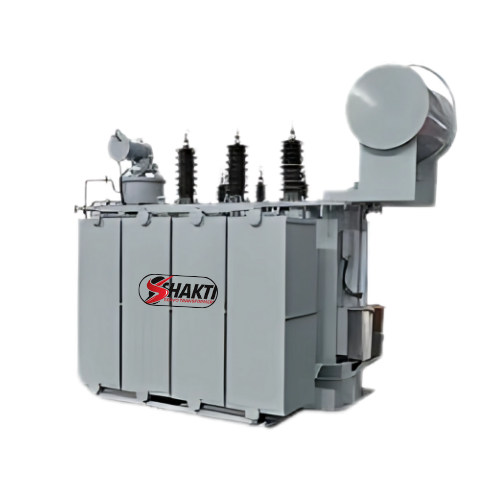
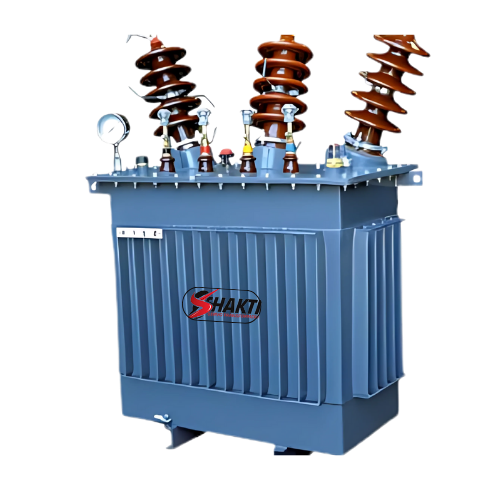
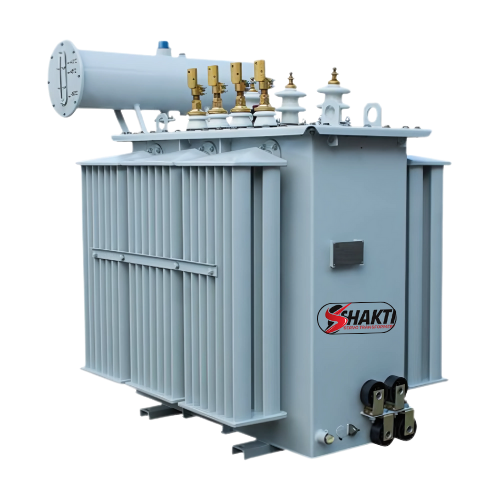
1000 kVA transformer is a high-capacity electrical power distribution device used to transfer energy and regulate voltage for industrial and commercial applications that require reliable heavy-duty power supply.
Where is a 1000 kVA transformer used?
A 1000 kVA transformer is commonly used in manufacturing plants, industrial units, infrastructure projects, commercial facilities, large factories and high-load electrical distribution systems.
What are the main features of a 1000 kVA transformer?
Main features of a 1000 kVA transformer include high power handling capacity, efficient voltage regulation, durable windings, reliable insulation, low power losses and long operational life.
How do I maintain a 1000 kVA transformer?
A 1000 kVA transformer should be maintained by checking insulation condition, monitoring oil and temperature levels, inspecting electrical connections, cleaning dust and performing routine testing for reliable performance.
Can a 1000 kVA transformer handle fluctuating heavy loads?
Yes, a high-quality
1000 kVA transformer is designed to handle fluctuating heavy loads efficiently and provide stable voltage output for connected industrial and commercial equipment.